

















Research Finder
Find by Keyword
Does COBOL to Java Translation Actually Fix the Mainframe Talent Gap?
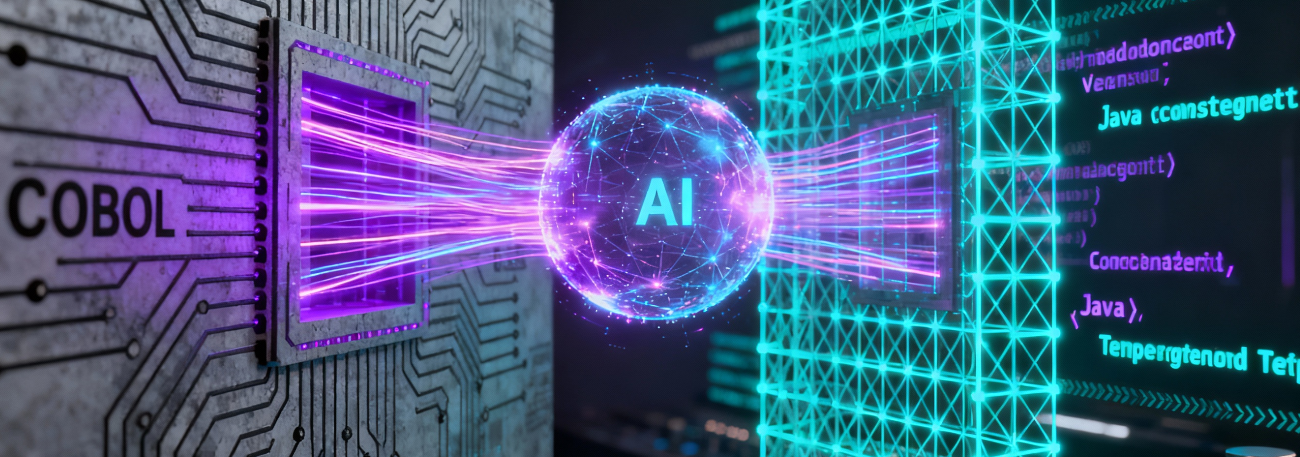
Generative AI-powered COBOL to Java conversion, system observability standardization with OpenTelemetry, and enhanced database resilience are key themes for BMC.
Key Highlights:
- BMC is architecting its mainframe solutions to integrate generative AI for code transformation and explanation.
- The firm is enabling holistic enterprise observability by streaming mainframe metrics via OpenTelemetry standards.
- New capabilities aim to help developers refactor monolithic COBOL and selectively convert modules into modern Java code.
- Data enhancements are designed to give Db2 administrators runtime visibility and ensure auditable point-in-time recovery for IMS environments.
- Seamless support for IBM z/OS 3.2 aims to maintain platform currency for customers operating mission-critical workloads.
Analyst Take
My analysis of the latest BMC AMI portfolio enhancements suggests the company understands a fundamental truth about the mainframe’s present reality. The system cannot exist as an island. To realize its formidable potential within the enterprise, the mainframe must operate as a fully inclusive part of the wider IT environment, not a specialized silo maintained by a dwindling group of experts. This strategic posture is admirable. I believe the new capabilities aim to deliver on three distinct but interconnected fronts: enterprise observability, intelligent code modernization, and database resilience.
The push for unified enterprise observability is a meaningful step forward. For too long, operations teams have struggled to correlate performance data across distributed and mainframe systems. The challenge of merging data from disparate, expensive, and specialized tools is a genuine operational bottleneck, especially in today’s highly complex environments. BMC addresses this by integrating OpenTelemetry (OTe)l metric streaming from BMC AMI Datastream for Ops. This capability is designed to flow crucial mainframe performance data directly into widely adopted enterprise observability platforms like Splunk, Elastic, Grafana, and Datadog, alongside BMC Helix itself.
This OTel integration aims to deliver a holistic view of efficiency and availability. It is a necessary function. This unified data stream means operations teams can finally take a proactive stance toward issue prevention, rather than a reactive one. They can react more quickly when issues inevitably arise. This standardization is crucial. When your distributed systems team and your mainframe team speak the same language of metrics, they become a single, more efficient unit. BMC is architected to eliminate the mainframe observability penalty box, making the platform natively visible to modern Site Reliability Engineering SRE teams.
The advancements in code transformation are arguably the most splendid part of this release, directly targeting the persistent challenge of the demographic shift in the mainframe workforce. A new generation of talent expects modern tooling and methods. The integration of generative AI through the BMC AMI Assistant knowledge expert is designed to serve as a high-fidelity Rosetta Stone for legacy code.
Consider the complexity of monolithic COBOL programs. For a new developer, understanding what the code does and why it was written can be an intractable hurdle. BMC AMI Assistant addresses this by translating COBOL business logic into plain English explanations. This provides full context. This capability is architected to empower developers to make informed decisions about refactoring. The same AI assistant can then help break down those large, monolithic programs into cleaner, modular components. This modularity is key.
The logical next step in this modernization journey is the selective conversion of code. After understanding the logic and achieving modularity, developers can decide the right language for a module. The new selective code conversion feature is designed to use the BMC AMI Assistant to convert chosen COBOL modules into Java. The focus here is not simply automated translation, which is often flawed, but a transformation process that preserves system stability. The resulting Java code modules are said to be well documented, include proper error handling, and follow object-oriented programming design patterns. This approach is careful and considered. It is a thoughtful response to the modernization debate that avoids the massive risk of a full rip-and-replace project. The company is aiming to deliver targeted, intelligent modernization at the module level, which reduces organizational risk substantially.
Beyond observability and code, the enhancements target database resilience and administrative insight. Database administrators DBAs play an essential and often unsung role in maintaining enterprise systems.
For IBM Db2 environments, new Runtime Insights in BMC AMI Command Center for Db2 aim to deliver immense clarity. DBAs can now access interactive reports that span systems, users, and timeframes, all within one single interface. This level of granular visibility into overall activity is formidable. The ability to drill into specific execution details helps DBAs gain better insight into how certain Db2 functions are being used across their environment. This is not about surveillance; it is about strategic optimization of the Db2 environment to boost productivity and efficiency.
The focus on resilience is equally strong, particularly for IMS environments. The new Point in Time Recon Restoration function in BMC AMI Data for IMS is designed to give DBAs the power to rebuild RECON datasets to an exact point in time. This is fundamental for recovery accuracy and minimizing downtime, which are the two critical metrics of any mission-critical system. Furthermore, these auditable point-in-time recovery capabilities aim to help organizations comply with key regulatory mandates, such as the European Union’s Digital Operational Resilience Act DORA. The announcement highlights that compliance and operational continuity are now inseparable considerations for modernization efforts.
BMC is not just layering new features on top of old systems. They are architected to integrate GenAI capabilities strategically across the BMC AMI portfolio to improve system observability, enable intelligent modernization of code bases, and strengthen resilience. The seamless support for IBM z/OS 3.2 confirms a continuous commitment to platform currency. Overall, the company aims to deliver a unified operational experience for the mainframe, making it a contributing, understandable, and integrated peer within the modern hybrid IT landscape. This is a genuinely smart direction.
Looking Ahead
The most potent aspect of this announcement is the calculated use of generative AI for code transformation. This move fundamentally reframes the mainframe modernization debate. It shifts the discussion away from expensive, risky migrations to more palatable, incremental refactoring and conversion. The fact that the BMC AMI Assistant is designed to first provide the business context in plain English is key. Understanding the why of the code precedes the how of conversion. This is a thoughtful and necessary design pattern for any successful legacy transformation.
The announcement today sets BMC up as a practical, rather than revolutionary, agent of change. Competitors pushing full migration or massive platform rewrite initiatives often ignore the organizational risk tolerance of large financial institutions and government agencies. BMC’s selective COBOL to Java conversion aims to deliver modernization without the operational cliff edge. This strategy is highly effective. The key trend that I am going to be tracking is the adoption rate of this AI-powered conversion tool among the large mainframe shops. Does it truly maintain system stability and documentation quality at scale?
My perspective is that this approach gives organizations a manageable off-ramp from COBOL for specific modules, while allowing the core, stable functionality to remain on the platform. Going forward, I am going to be tracking how the company performs on providing verifiable, positive outcomes from customers using this AI assistance for actual code conversion in future quarters. HyperFRAME will be tracking how the company does on demonstrating compliance benefits from the IMS resilience tools as DORA deadlines loom in Europe. The market needs to see successful deployment stories in regulated environments.

Steven Dickens | CEO HyperFRAME Research
Regarded as a luminary at the intersection of technology and business transformation, Steven Dickens is the CEO and Principal Analyst at HyperFRAME Research.
Ranked consistently among the Top 10 Analysts by AR Insights and a contributor to Forbes, Steven's expert perspectives are sought after by tier one media outlets such as The Wall Street Journal and CNBC, and he is a regular on TV networks including the Schwab Network and Bloomberg.