













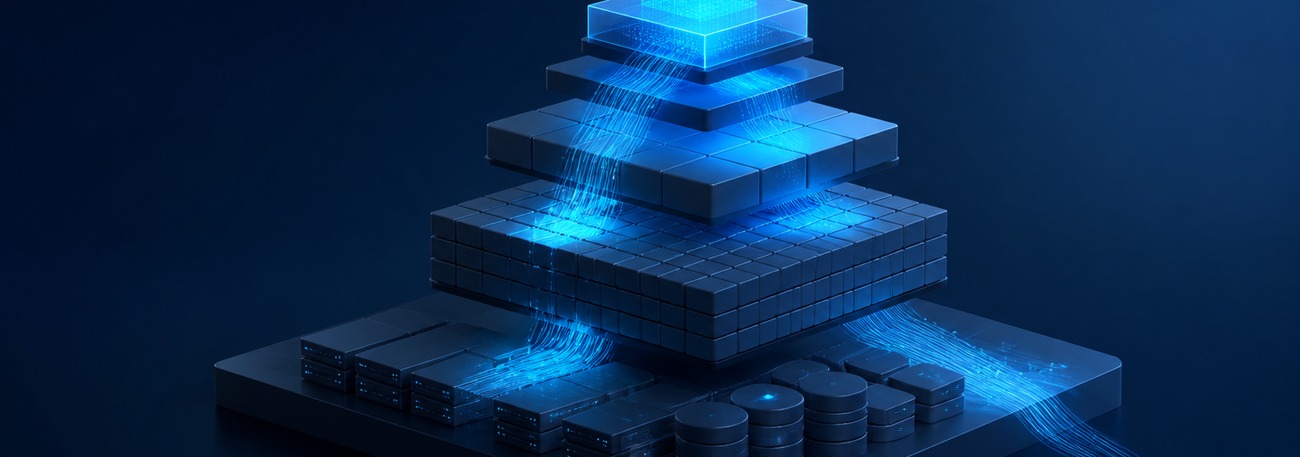
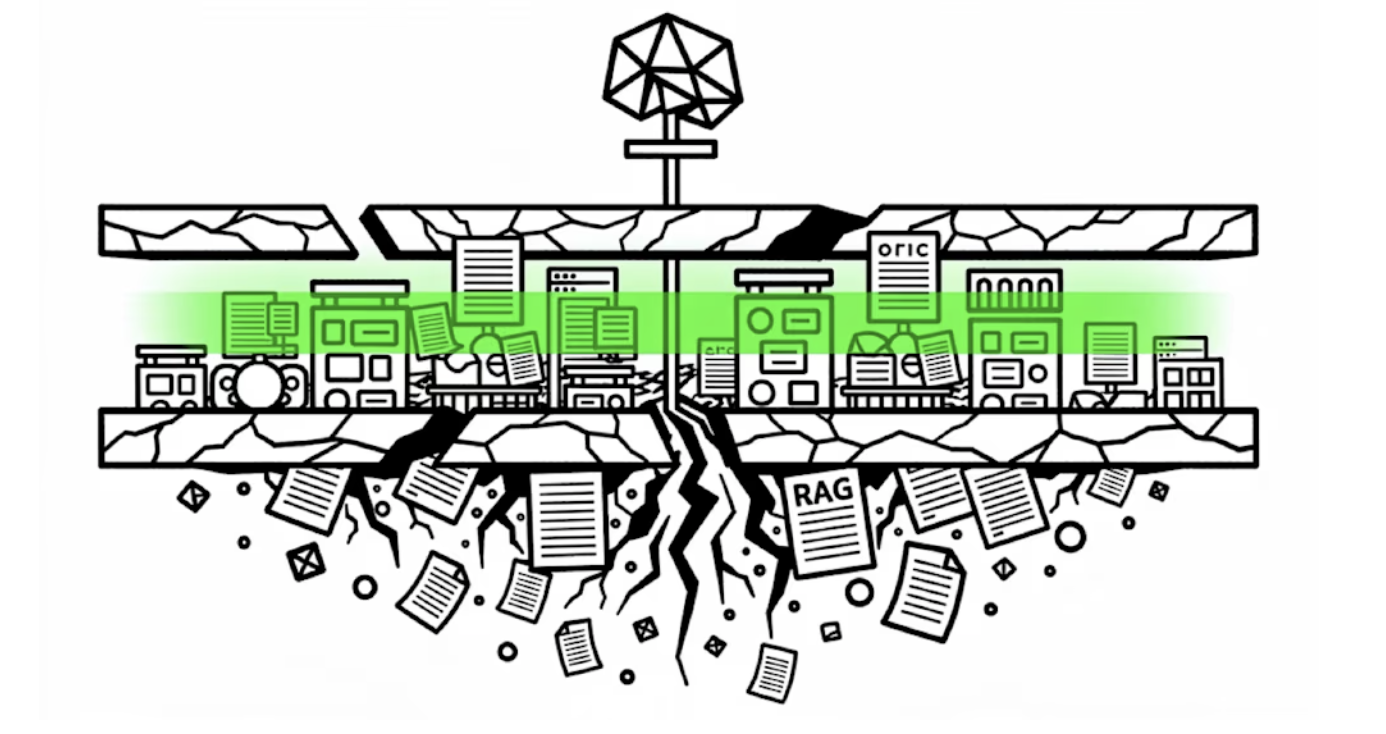
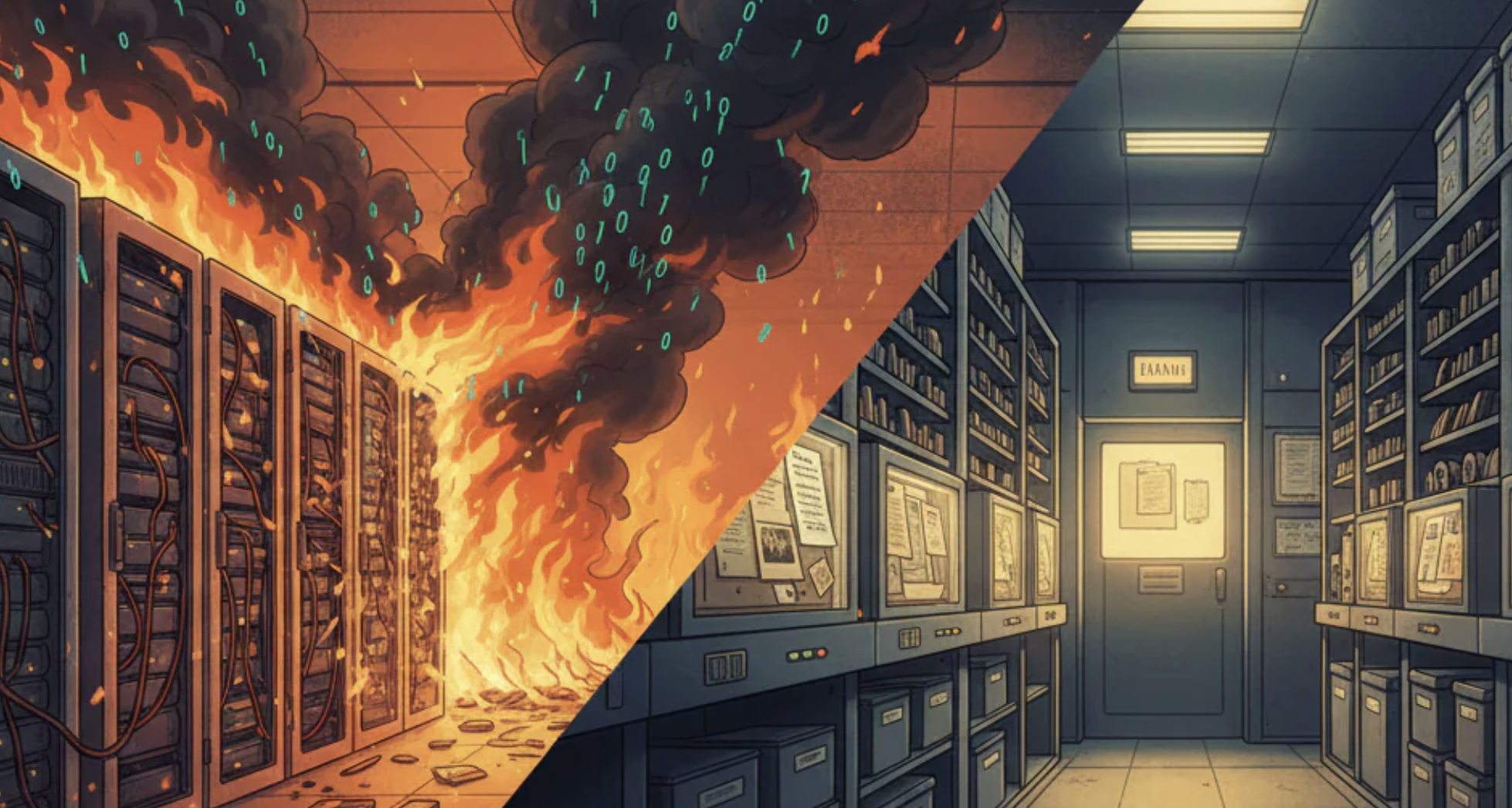
Is KV Cache Just Another Implementation of a Decades-Old Cache Hierarchy?
KV cache applies established cache-hierarchy principles to a new object: the preserved result of expensive model computation.
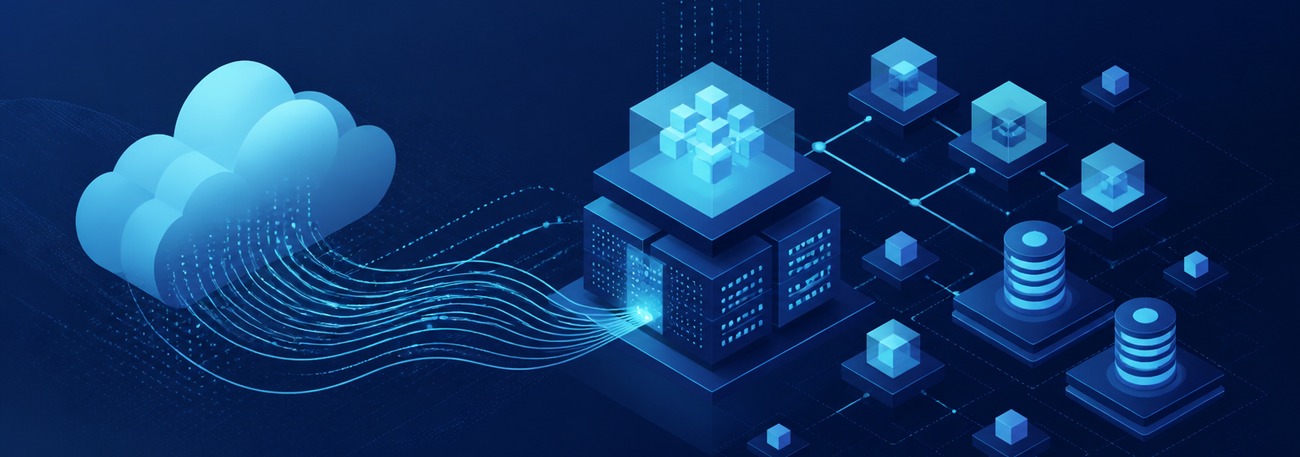
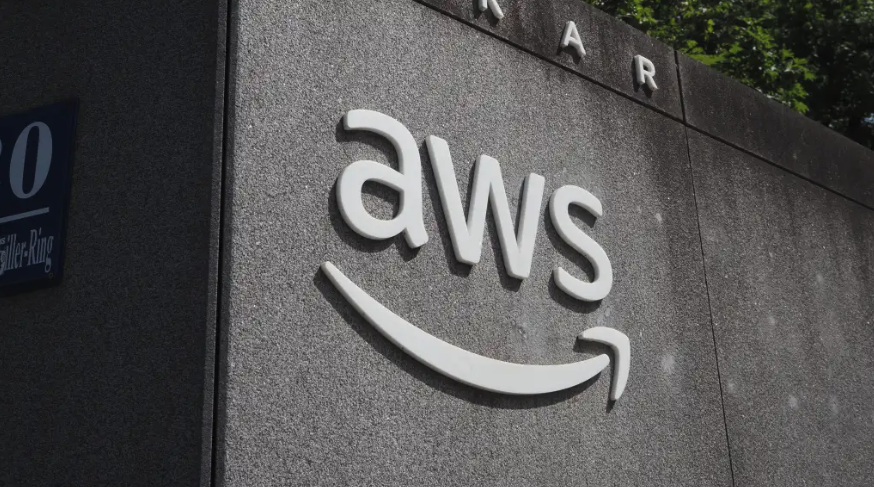
AWS Acquires DuckDB Labs, but This Is About More Than Faster Queries
DuckDB gives AWS a way to handle smaller analytical workloads without sending every query through heavyweight cloud infrastructure.
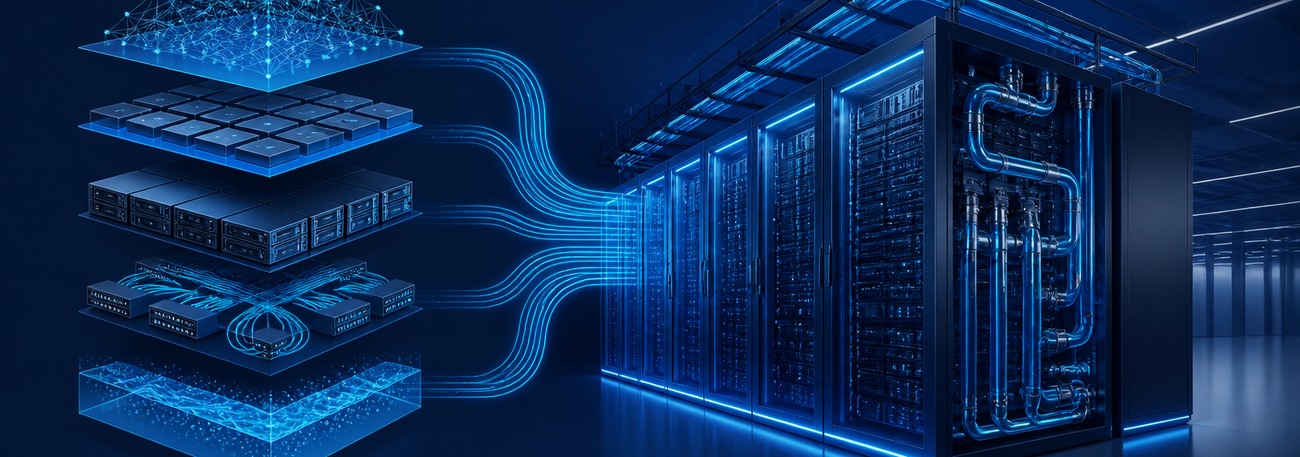
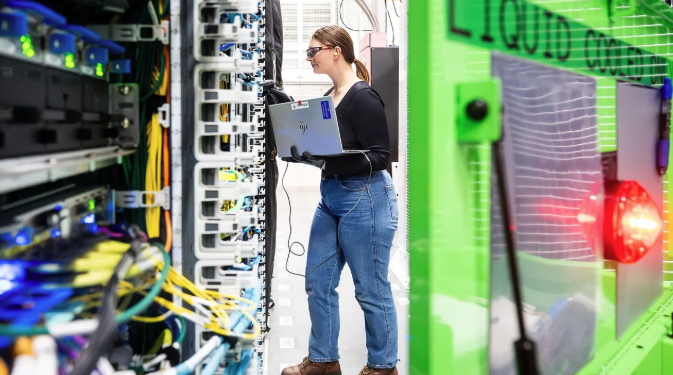
Cisco Secure AI Factory: Scaling Full-Stack Enterprise Infrastructure with Supermicro
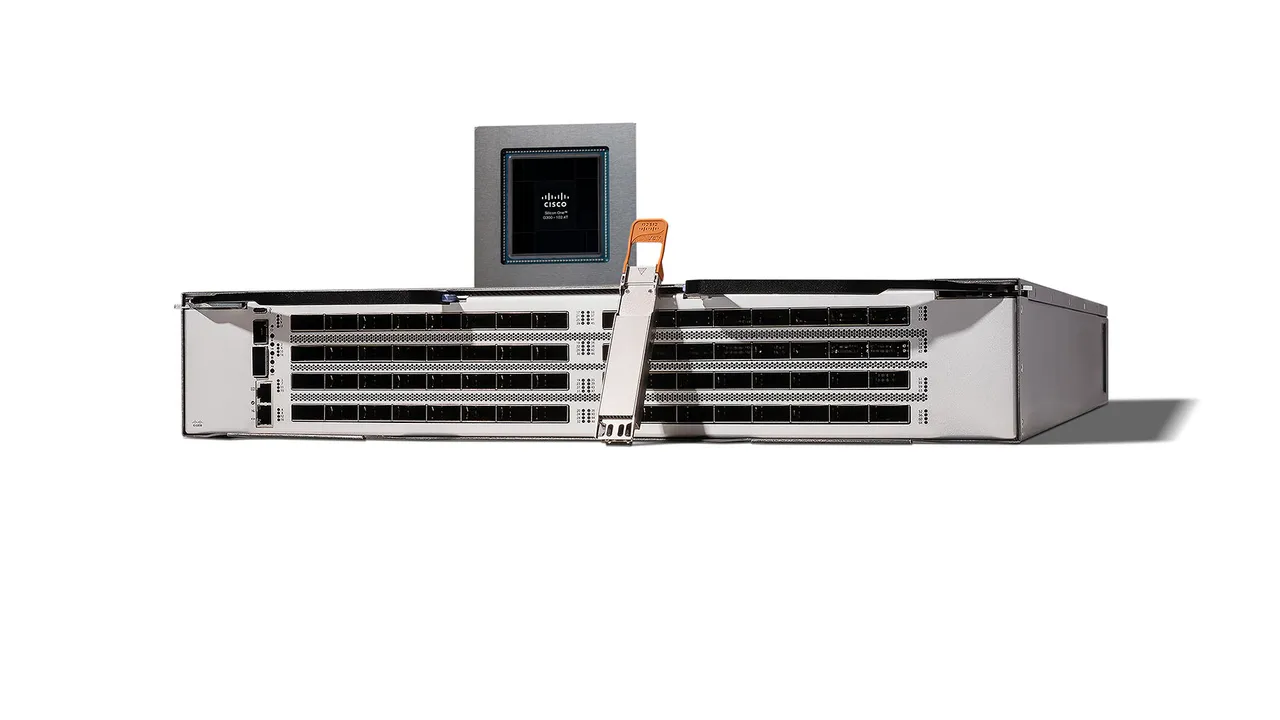
Cisco expands its Secure AI Factory through a Supermicro partnership, combining innovative silicon and rack-to-fabric liquid cooling to deliver an NCP-compliant, fully validated infrastructure that simplifies enterprise deployment.
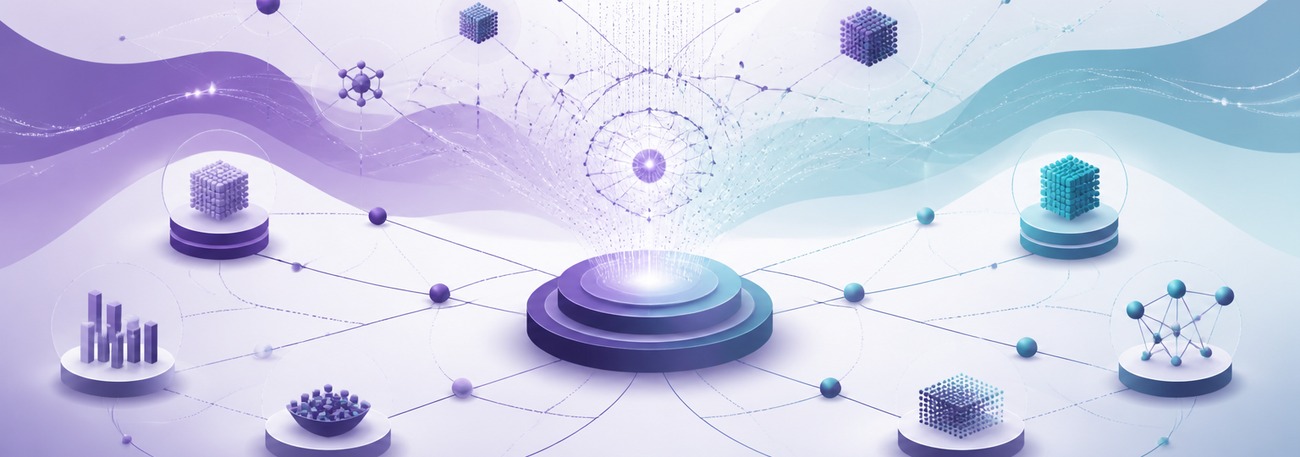
NVIDIA’s Reported $12.9B Hugging Face Deal Tests Open AI Neutrality
NVIDIA would gain one of the most important distribution platforms in open AI, but ownership by the dominant AI infrastructure provider could change the ecosystem even if models and code remain open.
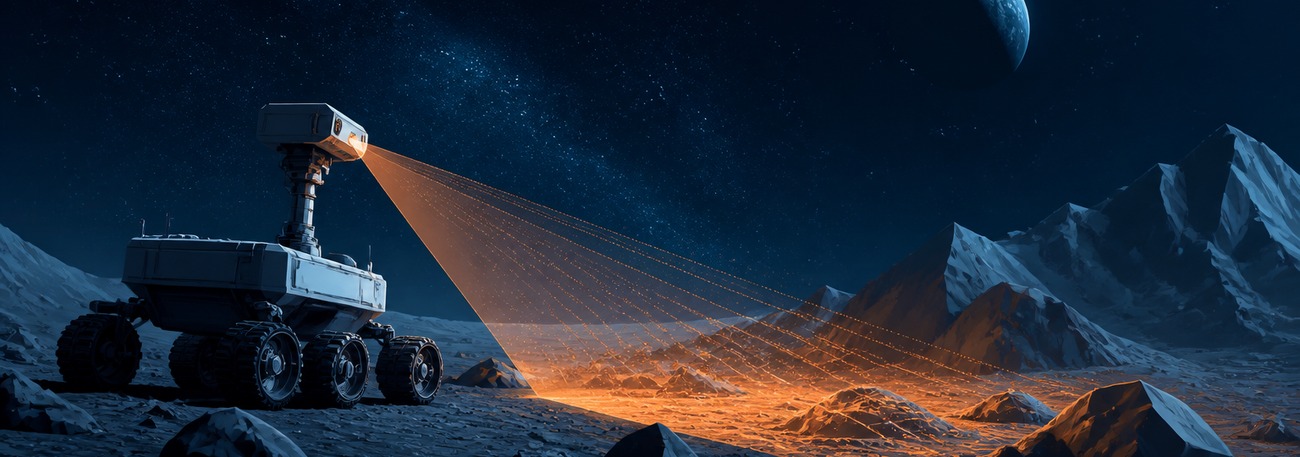
Can Software-Defined Lidar Deliver Where Repair is Not an Option?
AEye’s Apollo sensor heads to the Lunar South Pole, where solid-state architecture and software-defined scanning face conditions no road can simulate.
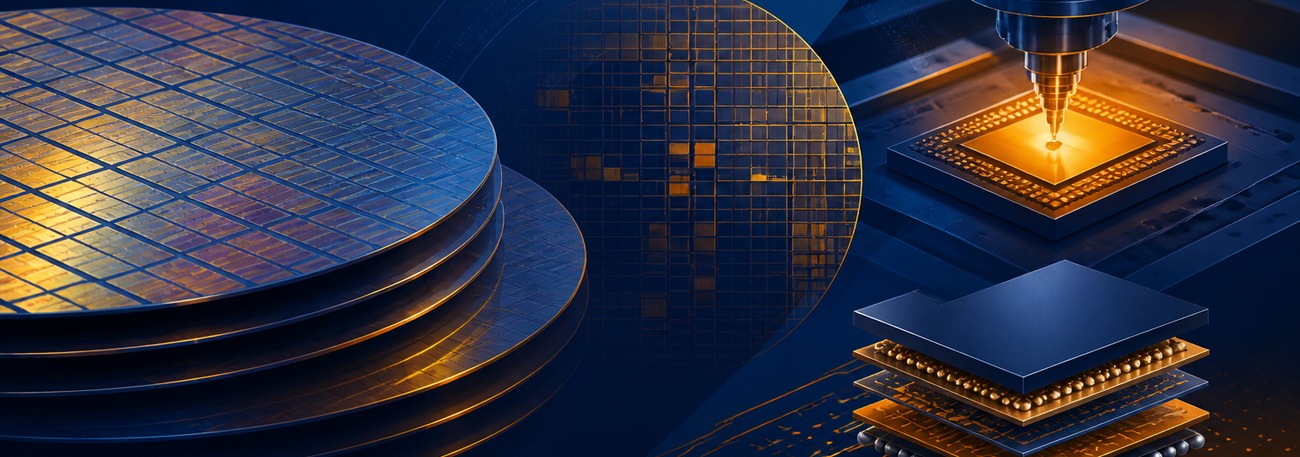
Who Wins HBM Onshoring When The Wafers Stay Offshore?
Mass production slips from 2028 to 2029 while Micron sequences US packaging behind Idaho wafers and Samsung keeps HBM stacks in Korea.
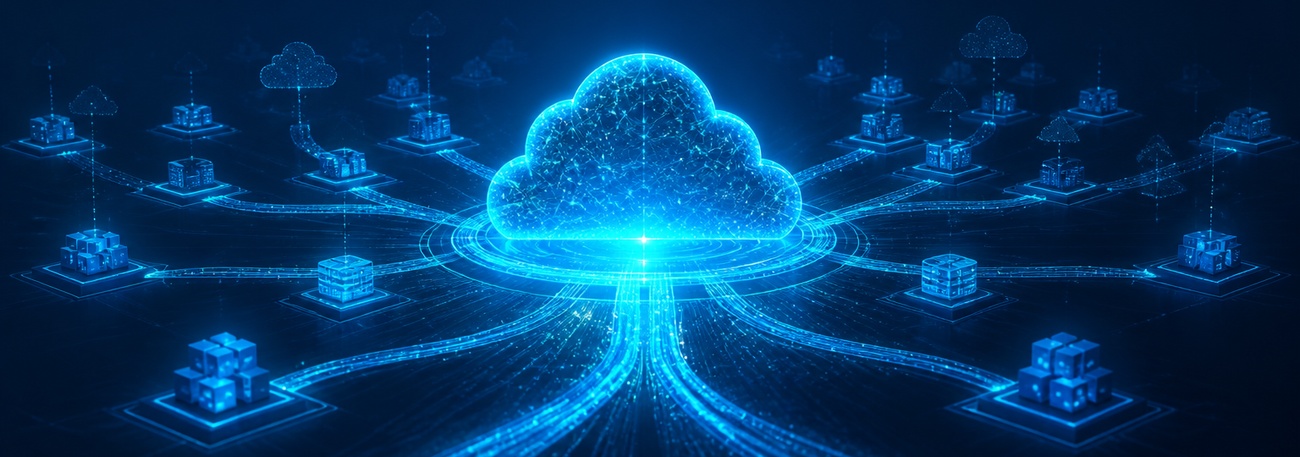
Partner-Led Growth Funds Nutanix’s Cloud-Native and AI Expansion in Q4’26
External storage, OEM, and hyperscaler relationships open more routes into enterprise accounts as Nutanix directs capital and operating resources toward cloud-native, AI, and sovereign infrastructure.
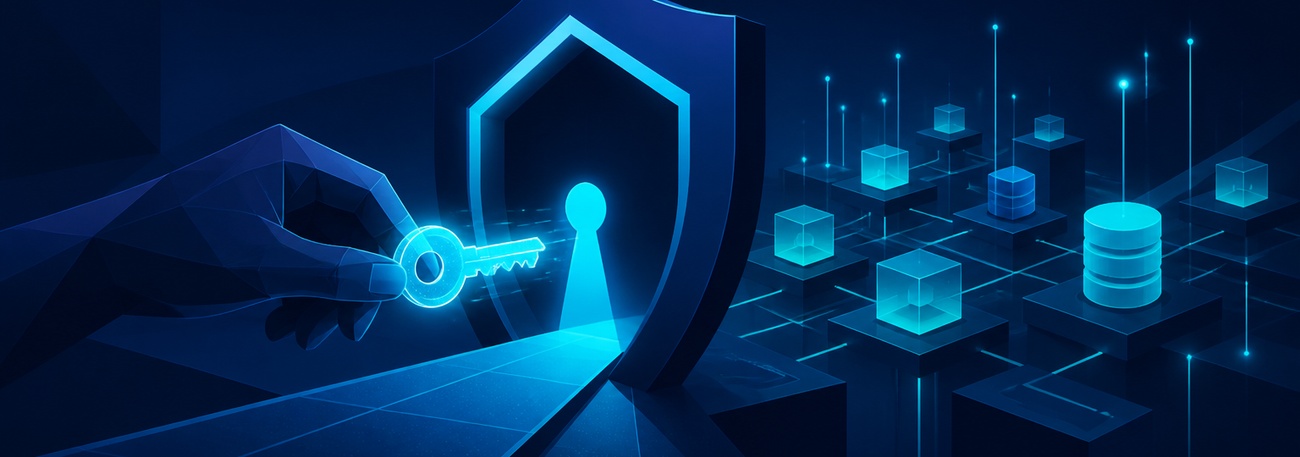
Cisco and Teleport Bring Identity to Agentic Infrastructure Access
Short-lived credentials can reduce the risks created by autonomous infrastructure access, but authorization alone cannot establish that an agent’s actions are correct.

Everpure Has the Data Footprint. Now It Has to Win the Intelligence Layer
Record Q2 results highlight the growing synergies between Everpure’s established infrastructure business and Everpure Data Intelligence, its emerging center of gravity.

Can Google Cloud Make Agent Costs More Predictable?
Google adds flexible pricing, deferred execution, anomaly detection, and project-level spend caps for Gemini Enterprise workloads.

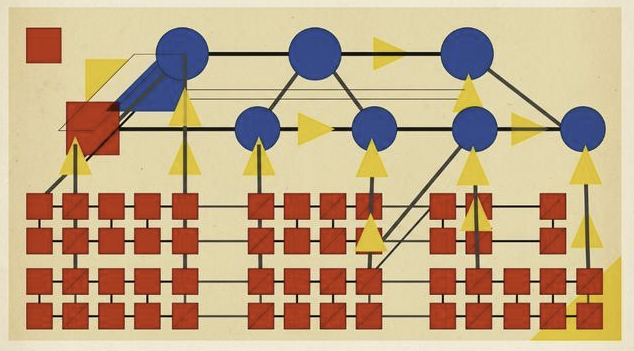
The Next Generation of Data Lakehouses Research Brief – Web Copy
The HyperFRAME Research “The Next Generation of Data Lakehouses” Research Brief examines how enterprises can bridge the gap between production AI and fragmented data architectures by evolving the traditional lakehouse into a unified, operational intelligence platform. As enterprises shift AI from initial pilots to full production, data has emerged as the ultimate differentiator for success. This leaves IT leaders facing a core strategic dilemma: should they move their data to the AI, or deploy the AI directly to where their data lives?

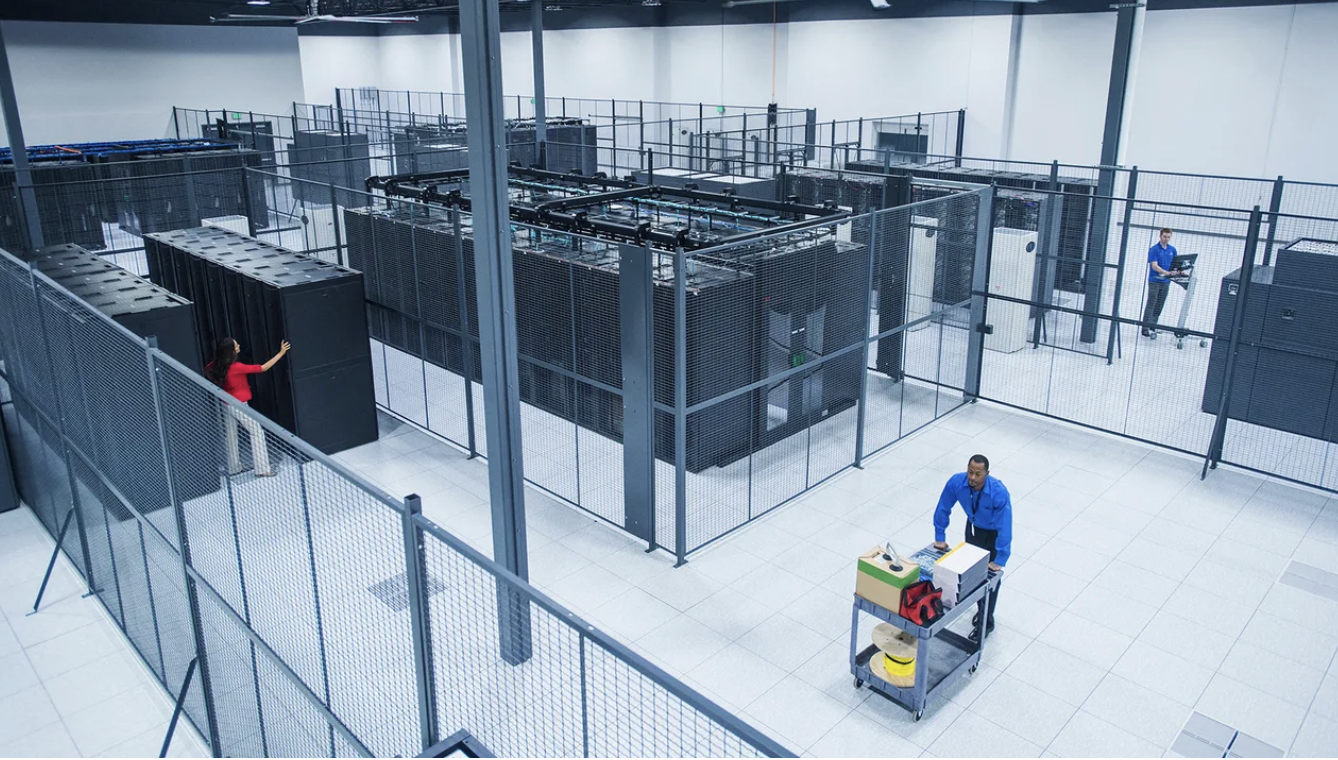
IBM LinuxONE 5: The Ultimate Platform for Secure, Resilient, and Efficient Enterprise Computing
Enterprise infrastructure teams are balancing AI adoption, cyber resilience, data growth, and constraints on power, cooling, floor space, and deployment timelines. HyperFRAME Research Lens (1H 2026) data found that only 14% of organizations classify their core data architecture as fully modernized for AI workloads, highlighting the gap between AI ambitions and infrastructure readiness.

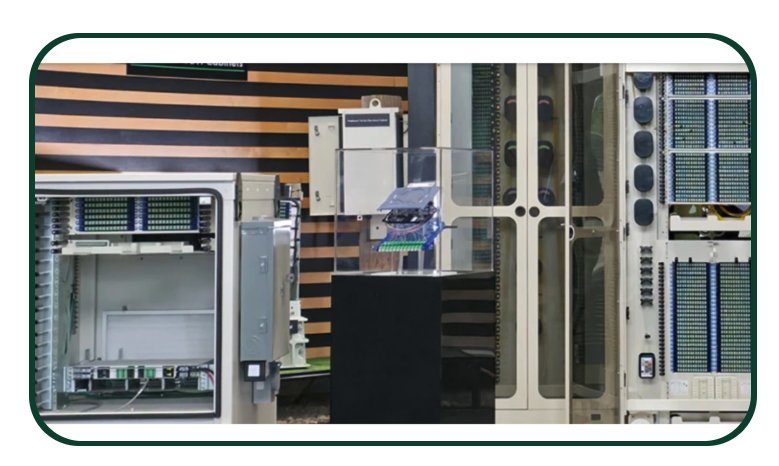
Infrastructure Intelligence Starts with a Unified Network and Infrastructure Data Platform
The HyperFRAME Research “Infrastructure Intelligence Starts with a Unified Network and Infrastructure Data Platform” Research Brief examines how modernizing enterprise infrastructure has transitioned from a traditional hardware challenge into a complex data architecture problem that demands an immediate shift from reactive troubleshooting to proactive orchestration.
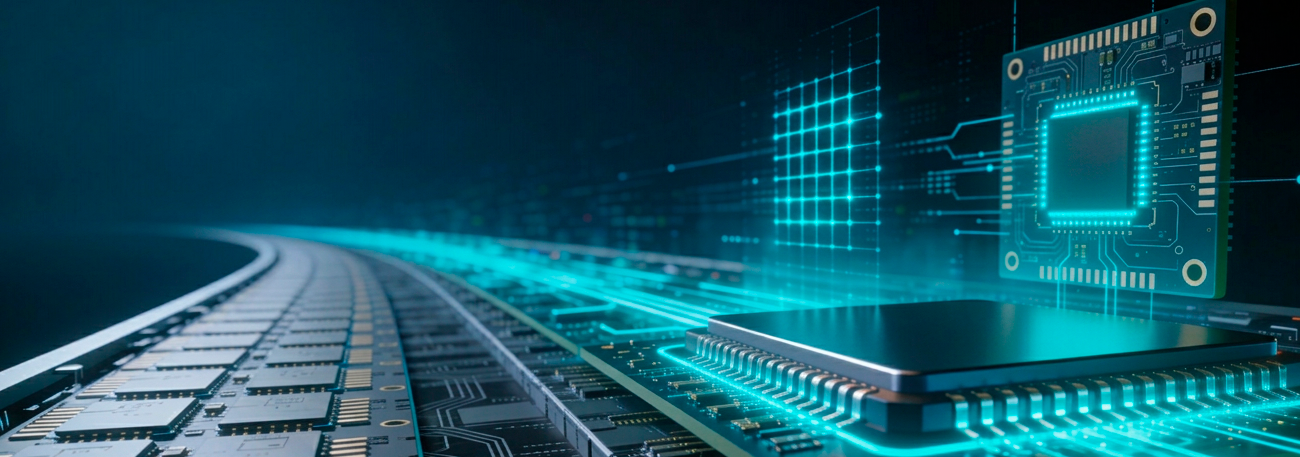
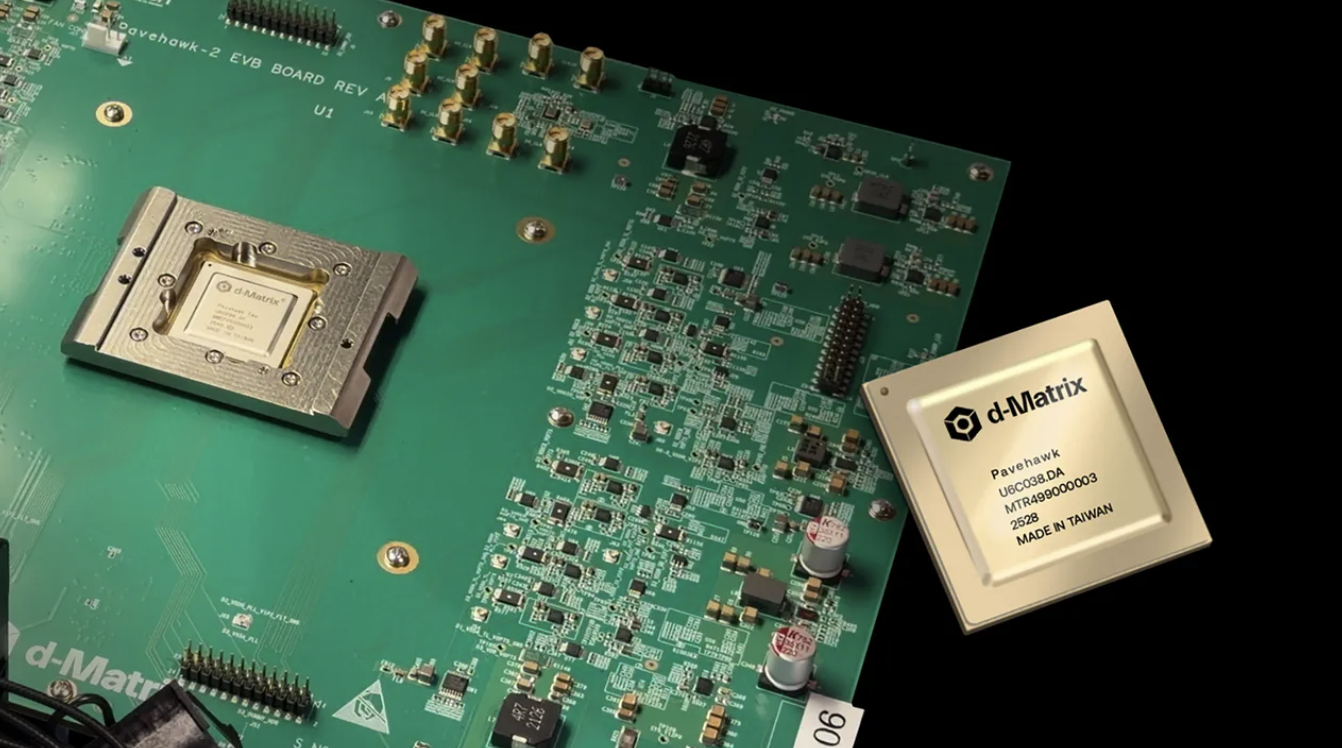
Accelerating Chip Prototype-to-Product
How MIPS and GlobalFoundries Are Compressing the FPGA-to-ASIC Path











































































































































































The Next Generation of Data Lakehouses Research Brief – Web Copy
The HyperFRAME Research “The Next Generation of Data Lakehouses” Research Brief examines how enterprises can bridge the gap between production AI and fragmented data architectures by evolving the traditional lakehouse into a unified, operational intelligence platform. As enterprises shift AI from initial pilots to full production, data has emerged as the ultimate differentiator for success. This leaves IT leaders facing a core strategic dilemma: should they move their data to the AI, or deploy the AI directly to where their data lives?
IBM LinuxONE 5: The Ultimate Platform for Secure, Resilient, and Efficient Enterprise Computing
Enterprise infrastructure teams are balancing AI adoption, cyber resilience, data growth, and constraints on power, cooling, floor space, and deployment timelines. HyperFRAME Research Lens (1H 2026) data found that only 14% of organizations classify their core data architecture as fully modernized for AI workloads, highlighting the gap between AI ambitions and infrastructure readiness.
Infrastructure Intelligence Starts with a Unified Network and Infrastructure Data Platform
The HyperFRAME Research “Infrastructure Intelligence Starts with a Unified Network and Infrastructure Data Platform” Research Brief examines how modernizing enterprise infrastructure has transitioned from a traditional hardware challenge into a complex data architecture problem that demands an immediate shift from reactive troubleshooting to proactive orchestration.
Accelerating Chip Prototype-to-Product
How MIPS and GlobalFoundries Are Compressing the FPGA-to-ASIC Path