


















Orbital AI… Another Edge Workload?
CTO Mark Papermaster’s personal essay frames space as the ultimate edge environment and previews how we should read AMD’s longer-term orbital compute posture.

CTO Mark Papermaster’s personal essay frames space as the ultimate edge environment and previews how we should read AMD’s longer-term orbital compute posture.
Commvault closed fiscal 2026 above guidance on every primary metric, with a strengthening SaaS base and FY2027 guidance pointing toward sustained profitable growth. A live sale process adds a second lens to the quarter.
Marvell is establishing a sharp competitive moat by integrating Polariton’s plasmonics technology to create a vertically integrated optical engine that bypasses the physical limits of traditional silicon, providing the power-efficient 1.6T to 6.4T connectivity essential for the next decade of hyperscale AI growth.
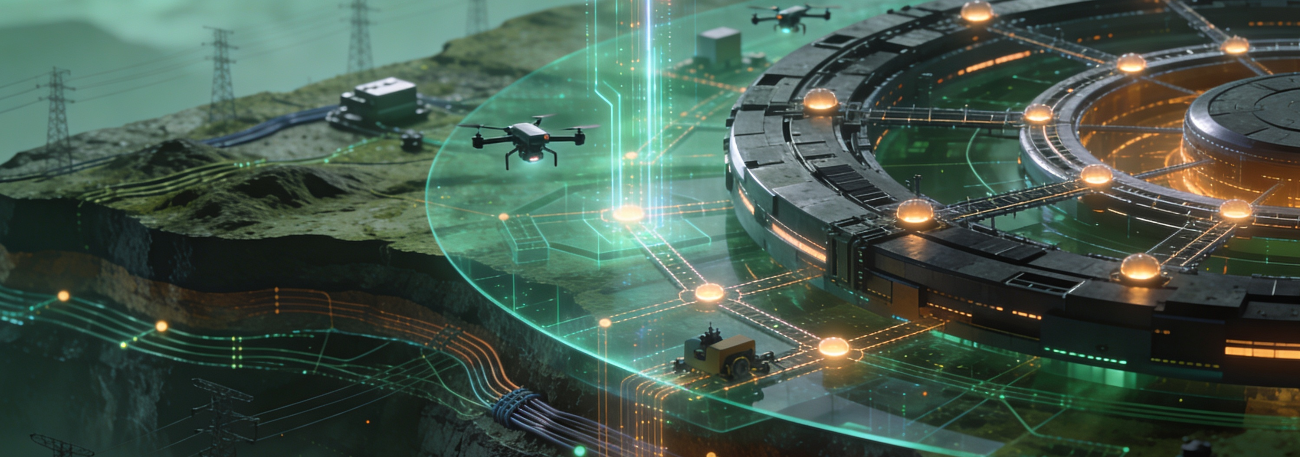
Render Networks is leveraging a $20 million AUD capital infusion and the strategic acquisition of mPower Innovations to transform into a unified, AI-driven System of Execution that orchestrates the full asset lifecycle of telecommunications and electric utility infrastructure to meet the surging demands of AI and data center expansion.
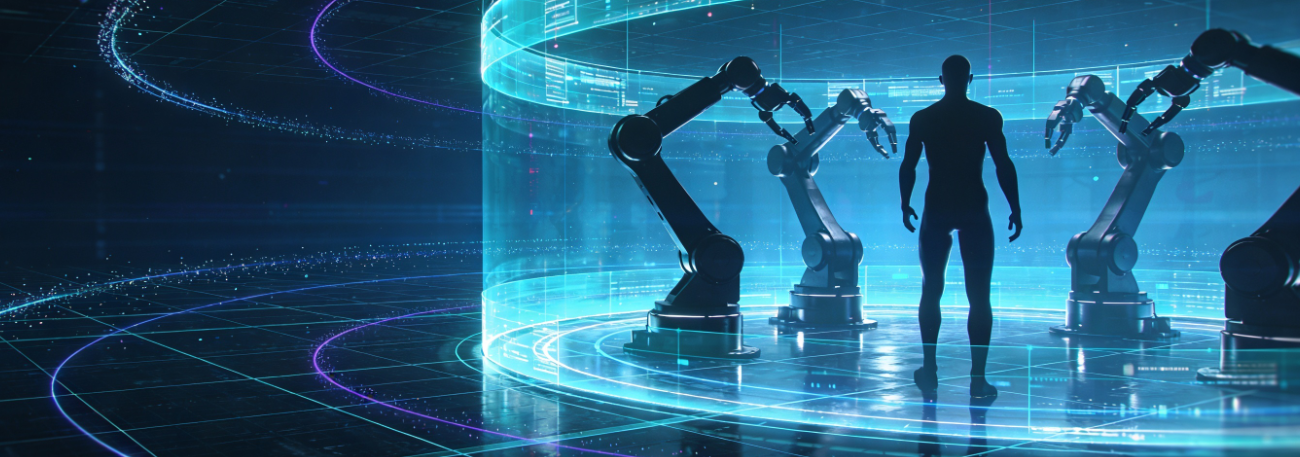
WPP and Google Cloud have demonstrated a major advance in Physical AI by using Google’s AI Hypercomputer architecture and NVIDIA Blackwell GPUs to cut robotic training cycles from days to minutes. This breakthrough highlights how digital twins and large-scale simulation can bridge the sim-to-real gap and positions WPP as an early mover in applying physical AI to creative production and sets a template for broader enterprise adoption.
IBM integrates ARM architecture into Z and LinuxONE to bypass legacy software porting bottlenecks and capture the momentum around AI development tools.
Intel delivers 6th straight beat: Xeon demand surging, 18A yields outpacing targets, and Terafab inclusion reframing foundry trajectory towards 14A
QumulusAI secures capital to shorten deployment cycles for NVIDIA Blackwell chips.

The platform aims to bridge the gap between experimental AI prototypes and hardened, governed enterprise agentic workflows.
IBM beats expectations on the back of a massive Z systems cycle and Red Hat momentum, yet conservative guidance leaves investors questioning the ceiling.