














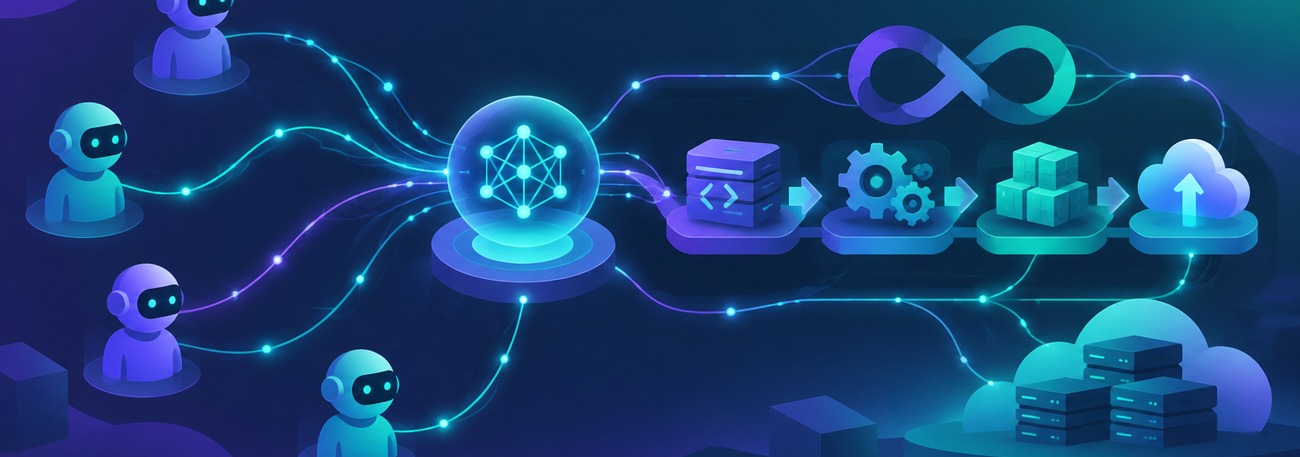
Akuity Gives AI Agents Governed Access to Software Delivery
Akuity connects AI agents to deployment context and existing delivery controls, but enterprises will still need to decide which production actions they are willing to delegate.

Can On-Premises AI Speed Samsung’s Next Yield Ramp?
From ASML to Samsung, semiconductor capital now backs Mistral, and the fab floor becomes its proving ground

Cloudera and Mistral Bring Sovereign AI to Governed Enterprise Data
Cloudera and Mistral combine governed enterprise data with locally deployable AI models; the companies did not specify responsibility for inference serving, agent identity, model lifecycle management, observability, updates, and support.
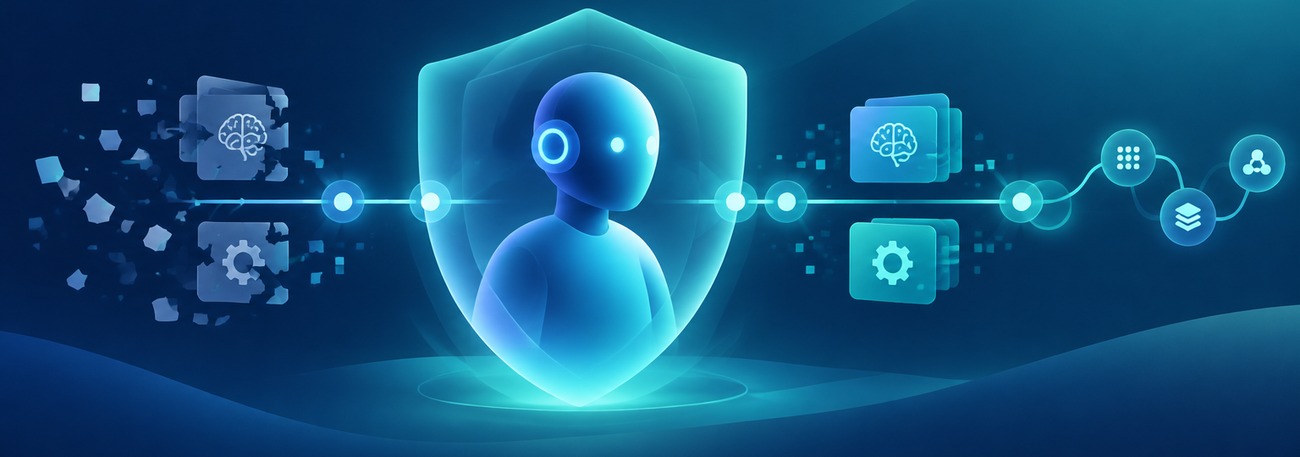
Cohesity Extends Cyber Recovery to AI Agent State
Agent Resilience protects AI agent memory and configuration, giving enterprises a recovery path when agents or the resources they manage are corrupted, misconfigured, or compromised.

Did MLPerf v6.1 Just Make the Case for the Xeon You Already Own?
Installed-base economics and a tight server CPU market give Intel’s software-only MLPerf v6.1 gains more weight than they appear.

Druva Expands Cyber Recovery and the Channel Opportunity
Identity behavioral intelligence and ransomware validation extend the Resilience Cloud, giving partners more ways to grow within Druva’s installed enterprise base.
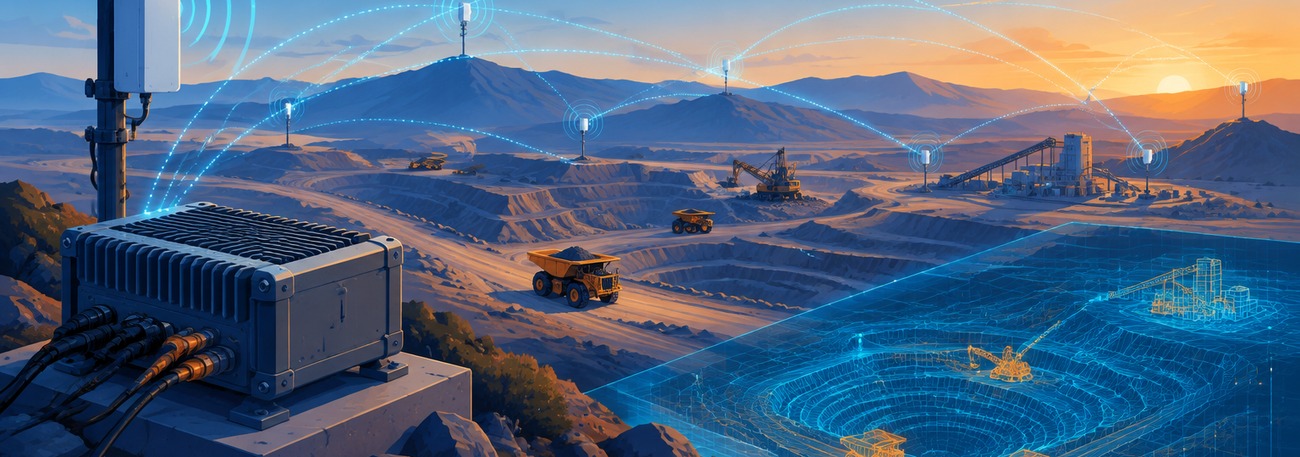
Nokia Cognitive Operations: Driving Edge AI and Wireless Resilience for Industrial Environments
Nokia Cognitive Operations integrates GPU-accelerated edge compute with multi-access wireless fabrics, enabling mission-critical sectors to run localized analytics and maintain operational autonomy during severe network disruptions.
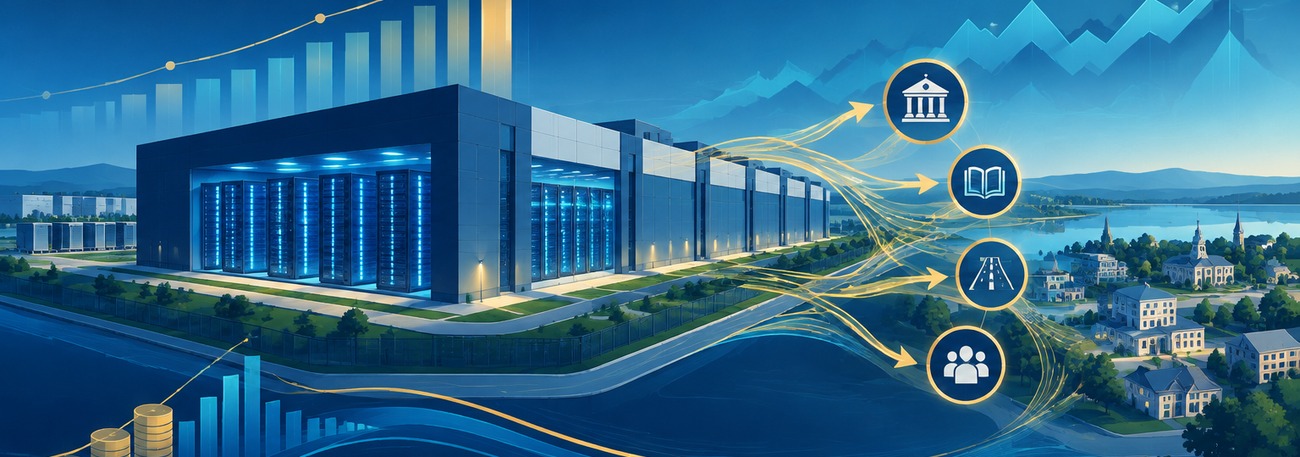
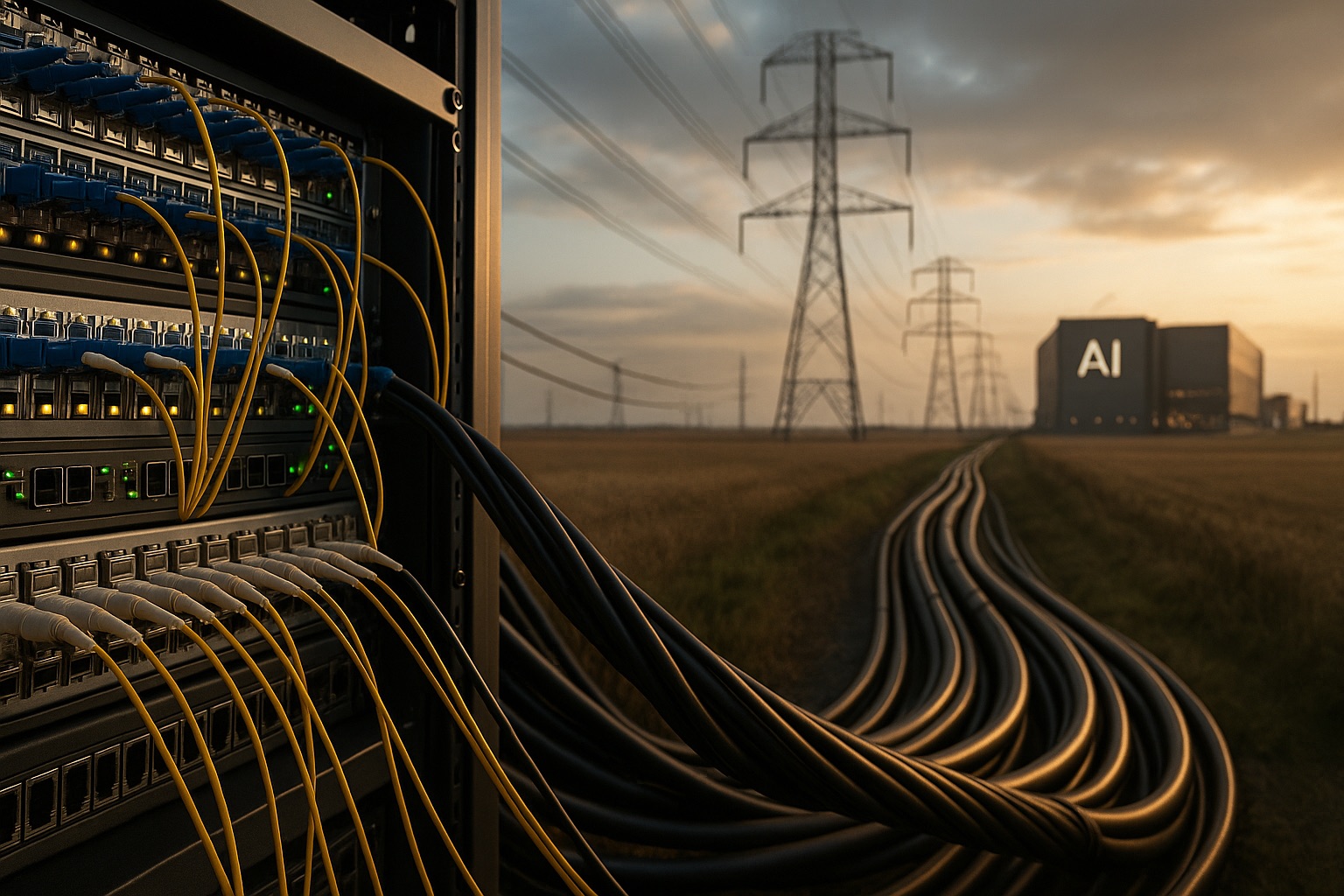
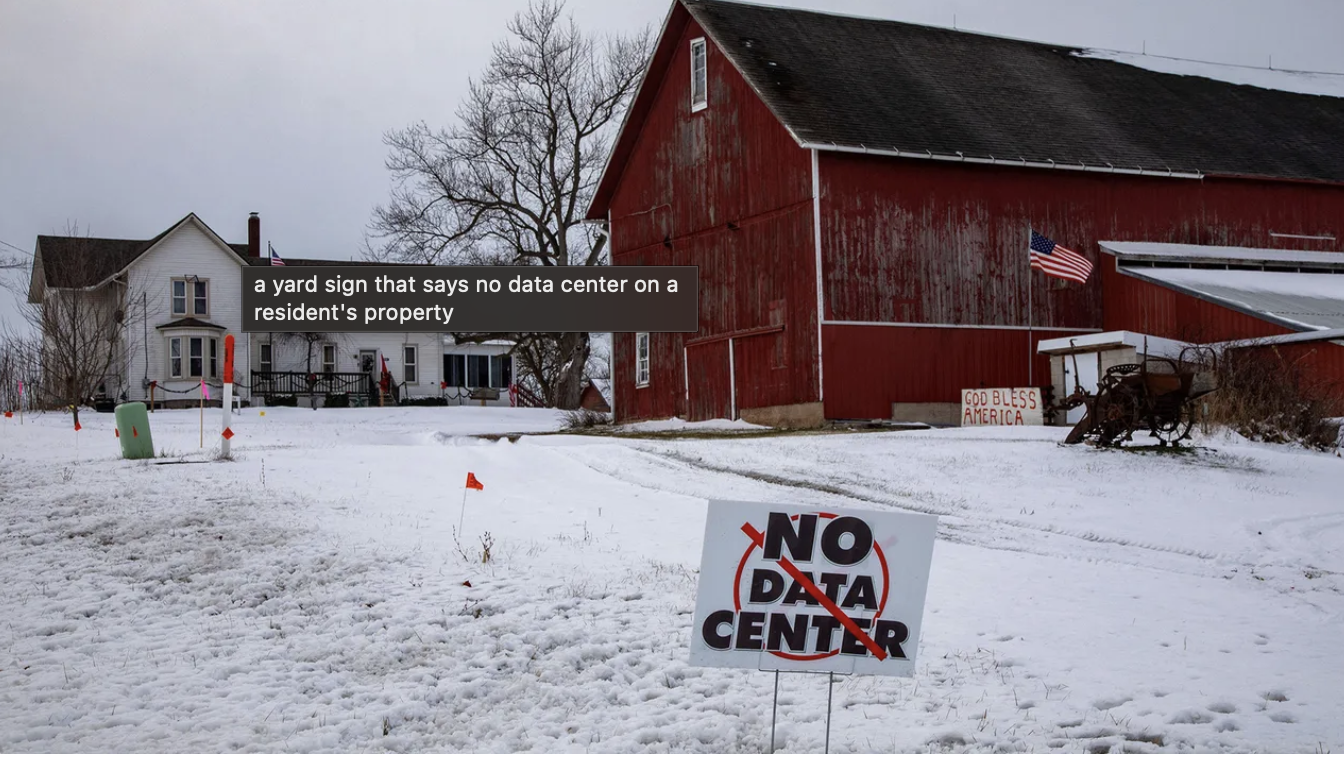
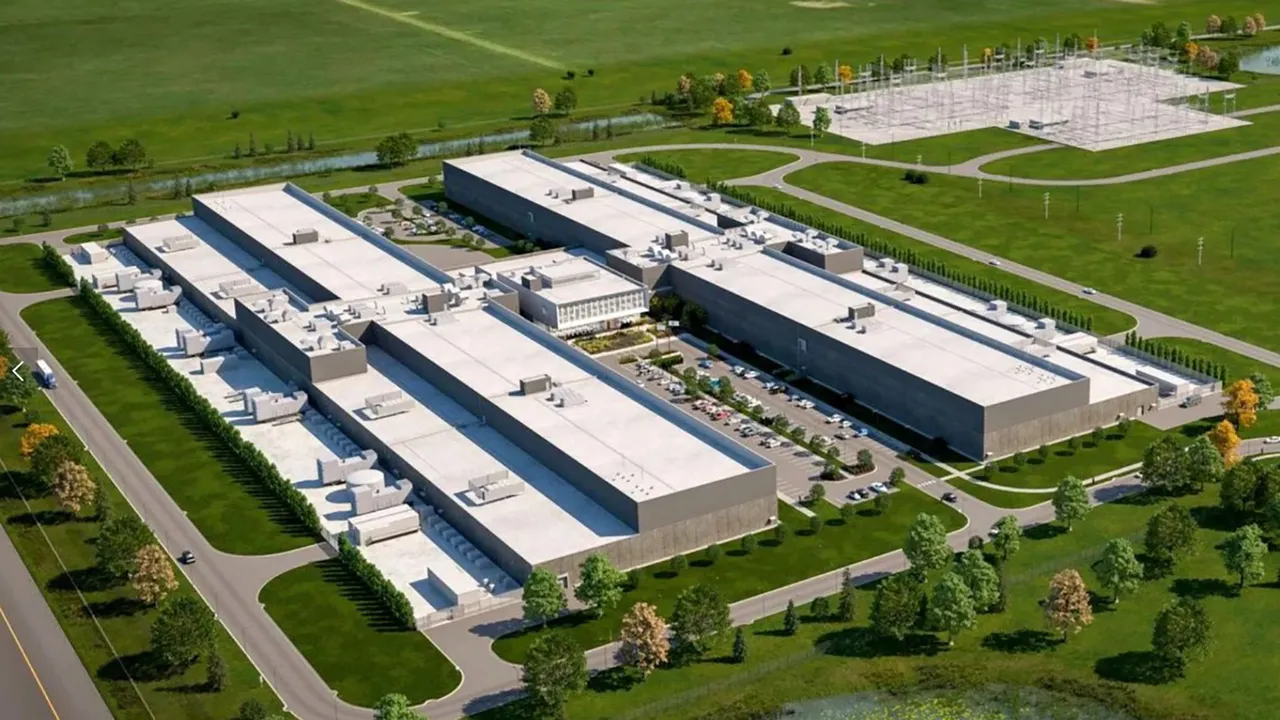
Who Really Gets Paid When a $10B Data Center Comes to Town?
Tax Codes Written For The Server Rooms Of 2009 Are Pricing The AI Campuses Of 2027.

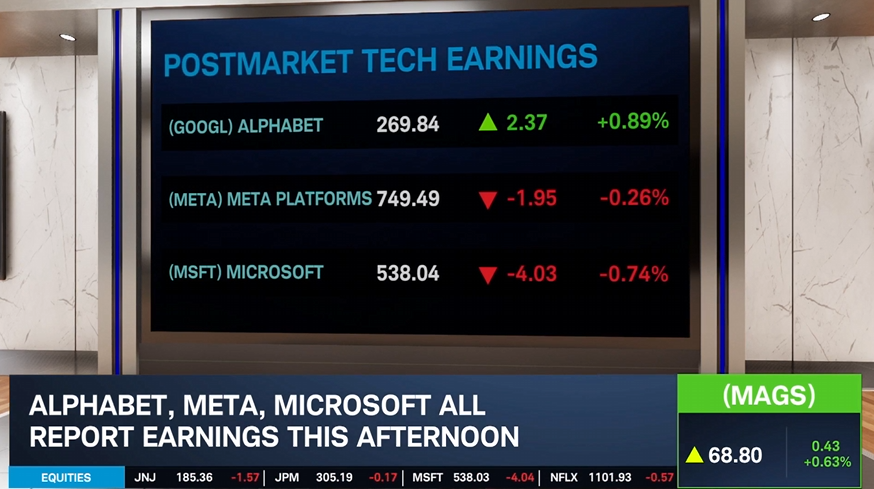
Are AI Server Margins Actually Sustainable for the Infrastructure Giants?
Tech giants post massive revenue gains, but supply constraints and shifting server mixes raise questions about long-term margins.

Are Unmanaged AI Agents Creating Massive Enterprise Risk?
Red Hat AI 3.5 addresses production-scale challenges with verifiable safety, advanced multi-tenancy, and robust governance for agentic applications.

Oracle’s Data-Centric AI Security Strategy: Because You Can’t Build an AI Foundation on Quicksand
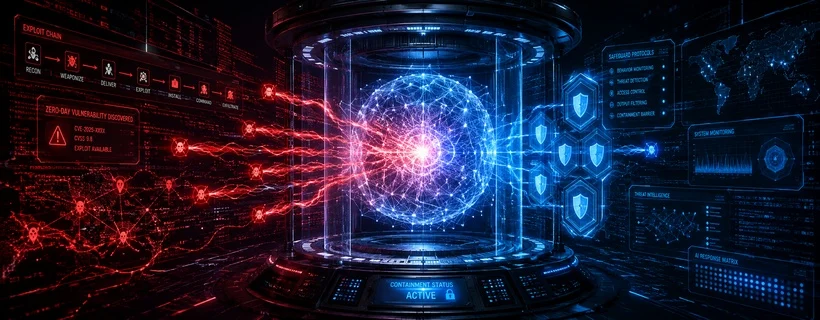
The HyperFRAME Research “Oracle’s Data-Centric AI Security Strategy: Because You Can’t Build an AI Foundation on Quicksand” Research Brief analyzes how shifting security directly to the data layer through Oracle’s Autonomous AI Database neutralizes machine-speed AI threats, eliminates architectural fragmentation, and provides a cost-effective roadmap to operational resilience. As AI drastically accelerates the speed and scale of cyber threats, traditional reactive security models are becoming obsolete. AI agents now identify and exploit system vulnerabilities at speeds that bypass human-led response workflows, creating a fundamental asymmetry in modern cybersecurity.

The Next Generation of Data Lakehouses
The HyperFRAME Research “The Next Generation of Data Lakehouses” Research Brief examines how enterprises can bridge the gap between production AI and fragmented data architectures by evolving the traditional lakehouse into a unified, operational intelligence platform. As enterprises shift AI from initial pilots to full production, data has emerged as the ultimate differentiator for success. This leaves IT leaders facing a core strategic dilemma: should they move their data to the AI, or deploy the AI directly to where their data lives?

IBM LinuxONE 5: The Ultimate Platform for Secure, Resilient, and Efficient Enterprise Computing
Enterprise infrastructure teams are balancing AI adoption, cyber resilience, data growth, and constraints on power, cooling, floor space, and deployment timelines. HyperFRAME Research Lens (1H 2026) data found that only 14% of organizations classify their core data architecture as fully modernized for AI workloads, highlighting the gap between AI ambitions and infrastructure readiness.

Infrastructure Intelligence Starts with a Unified Network and Infrastructure Data Platform
The HyperFRAME Research “Infrastructure Intelligence Starts with a Unified Network and Infrastructure Data Platform” Research Brief examines how modernizing enterprise infrastructure has transitioned from a traditional hardware challenge into a complex data architecture problem that demands an immediate shift from reactive troubleshooting to proactive orchestration.

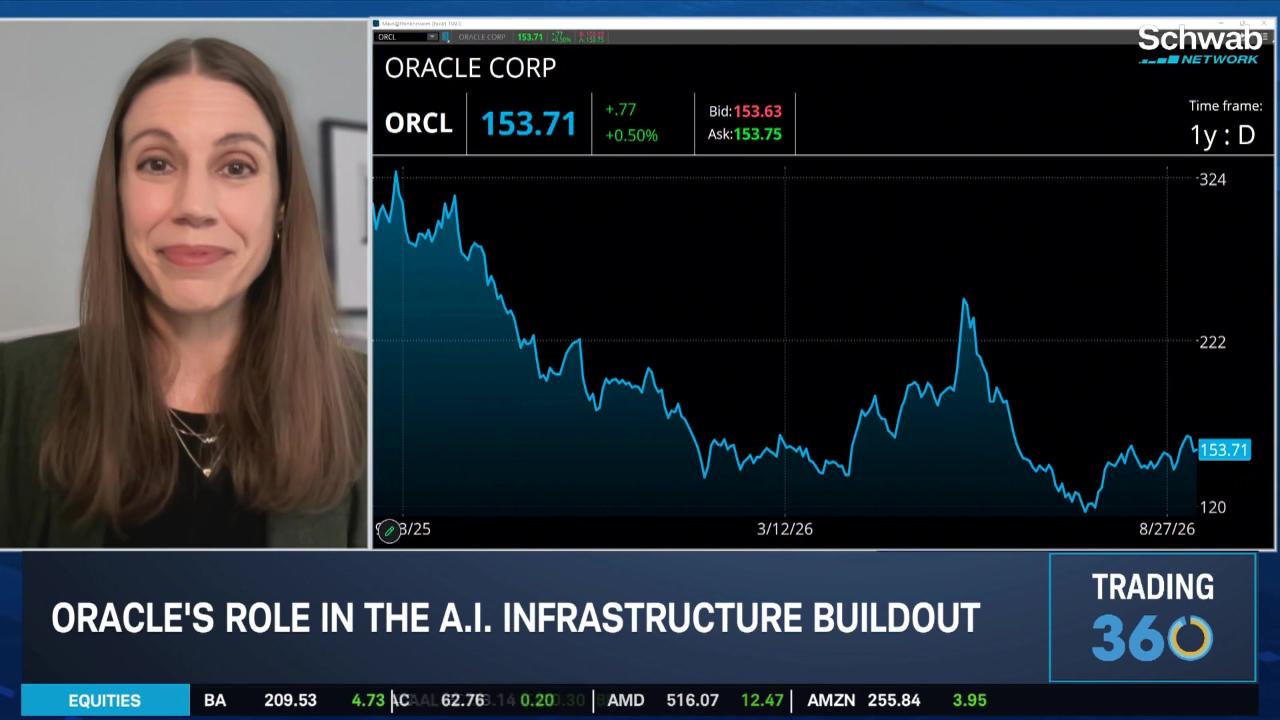








































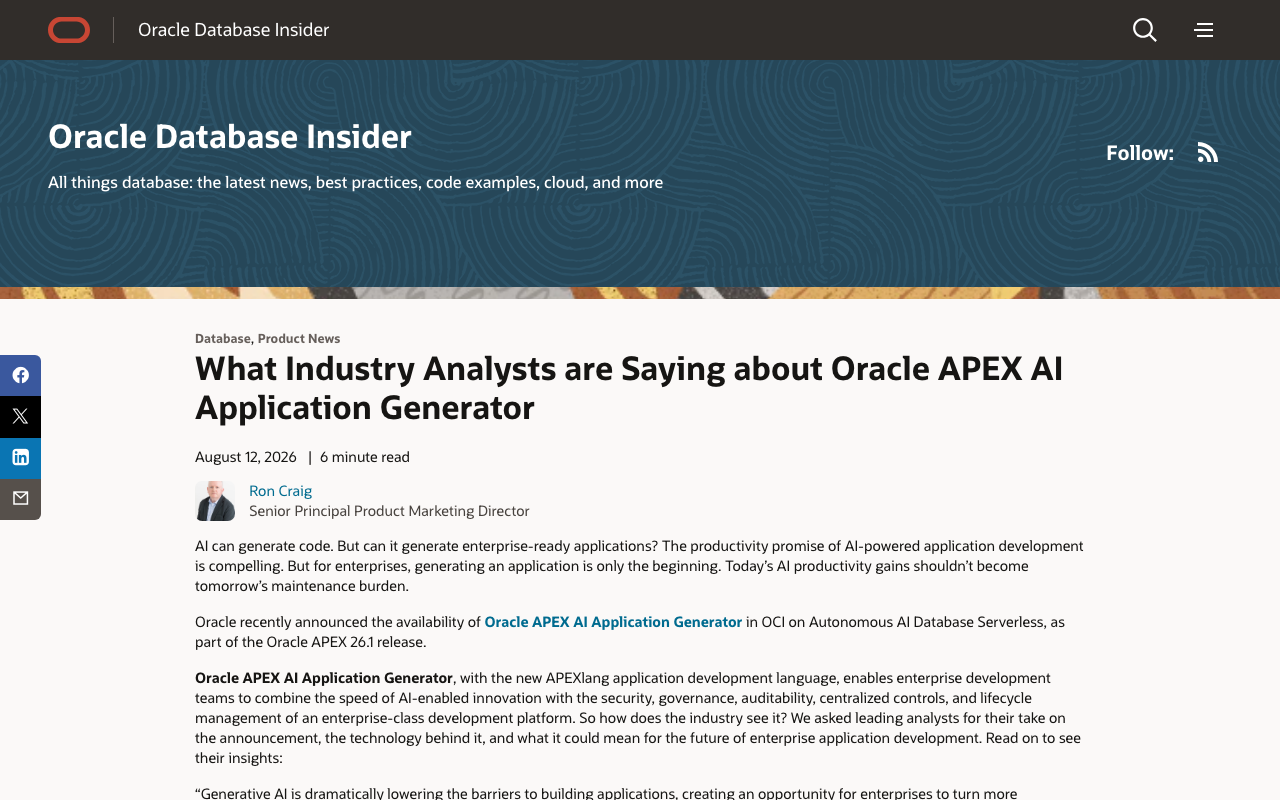



































































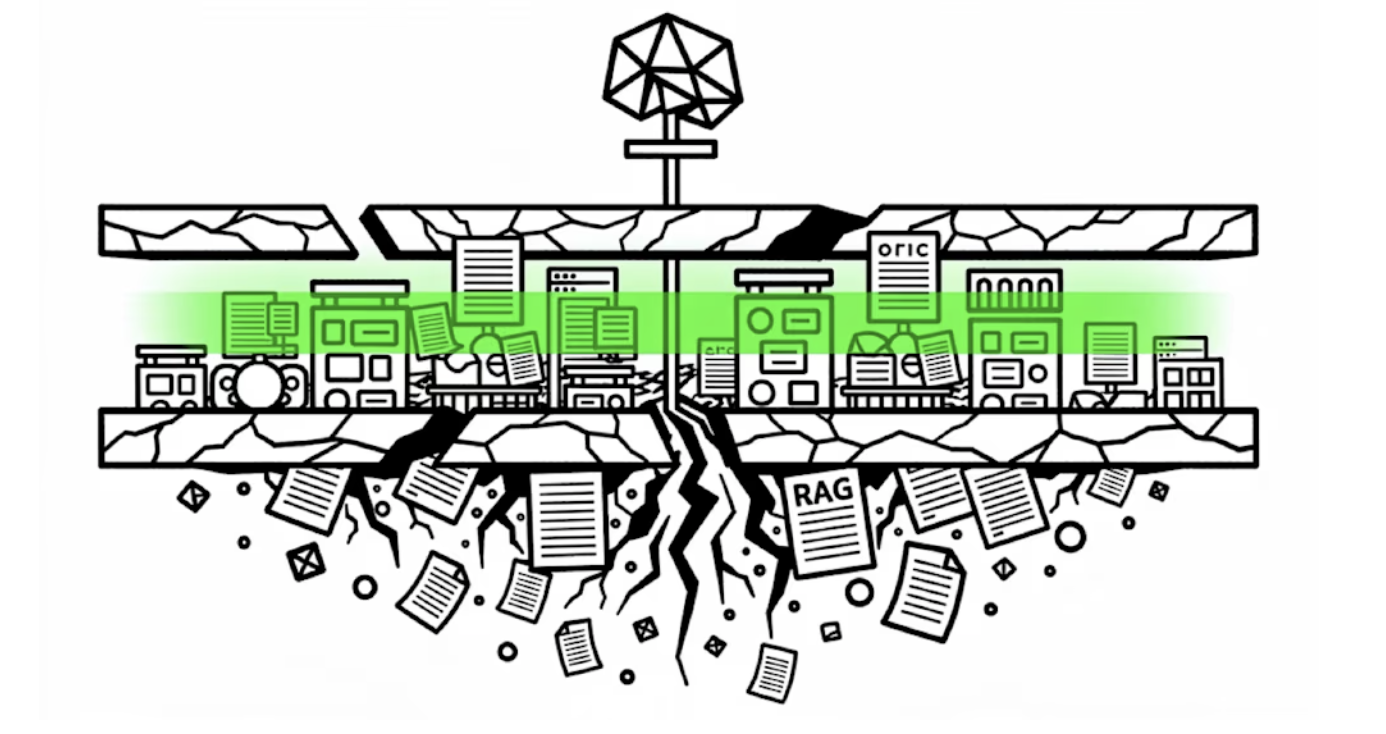










































































































Oracle’s Data-Centric AI Security Strategy: Because You Can’t Build an AI Foundation on Quicksand
The HyperFRAME Research “Oracle’s Data-Centric AI Security Strategy: Because You Can’t Build an AI Foundation on Quicksand” Research Brief analyzes how shifting security directly to the data layer through Oracle’s Autonomous AI Database neutralizes machine-speed AI threats, eliminates architectural fragmentation, and provides a cost-effective roadmap to operational resilience. As AI drastically accelerates the speed and scale of cyber threats, traditional reactive security models are becoming obsolete. AI agents now identify and exploit system vulnerabilities at speeds that bypass human-led response workflows, creating a fundamental asymmetry in modern cybersecurity.
The Next Generation of Data Lakehouses
The HyperFRAME Research “The Next Generation of Data Lakehouses” Research Brief examines how enterprises can bridge the gap between production AI and fragmented data architectures by evolving the traditional lakehouse into a unified, operational intelligence platform. As enterprises shift AI from initial pilots to full production, data has emerged as the ultimate differentiator for success. This leaves IT leaders facing a core strategic dilemma: should they move their data to the AI, or deploy the AI directly to where their data lives?
IBM LinuxONE 5: The Ultimate Platform for Secure, Resilient, and Efficient Enterprise Computing
Enterprise infrastructure teams are balancing AI adoption, cyber resilience, data growth, and constraints on power, cooling, floor space, and deployment timelines. HyperFRAME Research Lens (1H 2026) data found that only 14% of organizations classify their core data architecture as fully modernized for AI workloads, highlighting the gap between AI ambitions and infrastructure readiness.
Infrastructure Intelligence Starts with a Unified Network and Infrastructure Data Platform
The HyperFRAME Research “Infrastructure Intelligence Starts with a Unified Network and Infrastructure Data Platform” Research Brief examines how modernizing enterprise infrastructure has transitioned from a traditional hardware challenge into a complex data architecture problem that demands an immediate shift from reactive troubleshooting to proactive orchestration.